Retro Peace Regular Font: A Practical Guide to Its Groovy Style and Project Fit
Choosing the right typeface is a critical step in defining the personality of a design. When a project calls for a dose of nostalgia and playful energy, the search often leads to retro-inspired display fonts. Among these, Retro Peace Regular Font presents a distinct option. It is not merely a collection of letters but a stylistic statement, designed to evoke the bold, vibrant typography of a bygone era. This article explores the characteristics of the Retro Peace Regular Font, examines its practical applications, and helps you determine if its unique groovy charm is the right fit for your creative work.
Understanding the Distinct Character of Retro Peace Regular Font
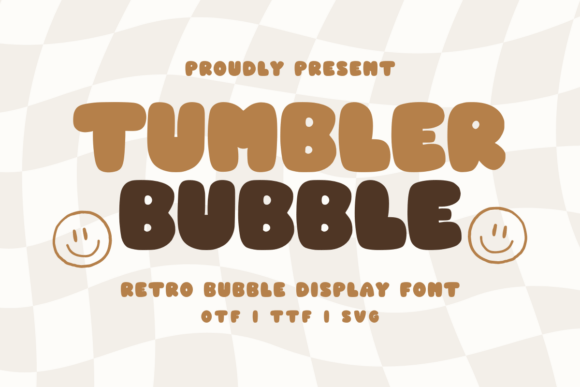
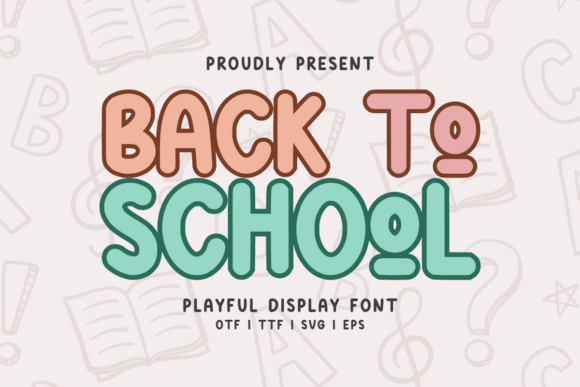
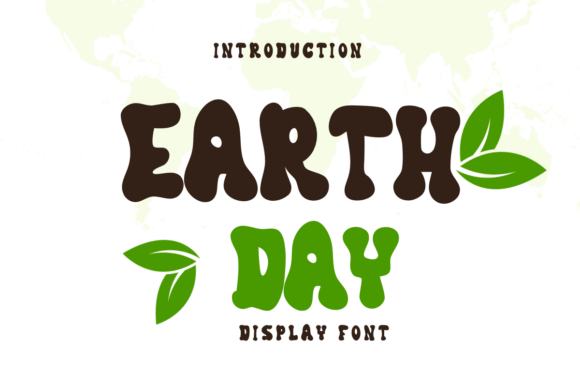
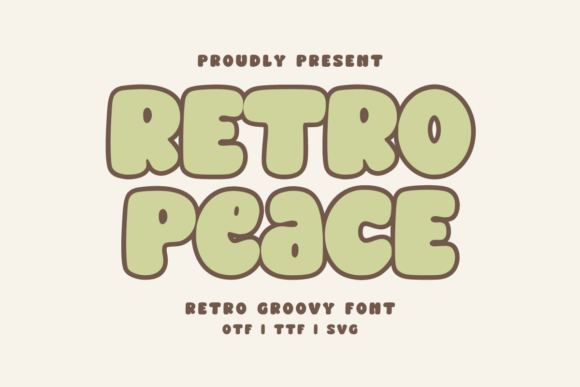
At its core, the Retro Peace Regular Font is a display typeface. This classification is important because it defines its primary function: to attract attention for headlines, logos, and short bursts of text, rather than for setting long paragraphs. Its design is heavily inspired by the graphic styles of the 1960s and 70s, characterized by rounded, flowing forms and a sense of movement. The letters often feature soft, bubble-like shapes and a consistent weight that gives it a friendly, approachable appearance. Unlike more aggressive or angular retro fonts, the Retro Peace variant leans into a cheerful, optimistic vibe.
What makes it distinct is its balance between being bold enough to stand out and soft enough to remain inviting. The character set often includes stylistic alternates or ligatures, allowing designers to add extra flair and avoid repetitive letterforms. This versatility within a consistent aesthetic is a key strength. For designers, this means the Retro Peace Regular Font can be adapted to different contexts without losing its core identity. It is a font that carries a strong mood, which is both its greatest asset and its primary limitation.
Comparing Retro Peace to Other Retro and Display Font Styles
The world of retro typography is vast, encompassing everything from Art Deco geometry to psychedelic curves. Understanding where the Retro Peace Regular Font sits within this spectrum is crucial for making an informed choice.
Retro Peace vs. Other Groovy and Psychedelic Fonts
Fonts in the psychedelic category often push boundaries with extreme distortion, melting effects, and high visual complexity. While eye-catching, they can sometimes sacrifice legibility. The Retro Peace Regular Font typically maintains a cleaner, more structured baseline. It captures the groovy essence without becoming overly chaotic, making it more versatile for product design where clarity at a small scale (like on a t-shirt tag or mug) is important. If your project needs the 70s feel but requires a slightly more polished and readable result, Retro Peace is often a more practical choice than its more experimental cousins.
Retro Peace vs. Vintage Sans-Serifs and Slab Serifs
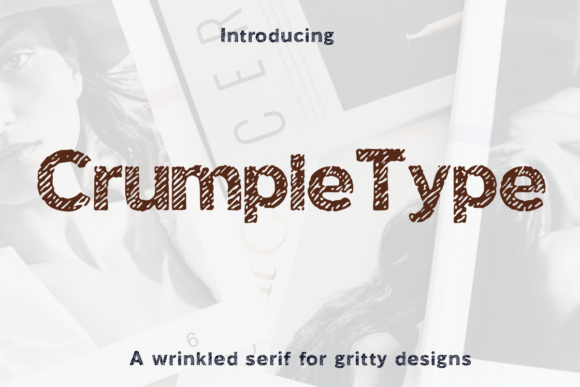
Another branch of retro design features bold sans-serifs and slab serifs with a worn, textured appearance. These fonts convey a different kind of nostalgia—more industrial, rugged, or athletic. The Retro Peace Regular Font is decidedly softer and more organic. It lacks the hard edges and mechanical feel of these alternatives. The decision here comes down to the specific era and emotion you want to channel. For a project inspired by mid-century modern design or a rugged vintage look, a textured sans-serif might be superior. For a project that aims for the free-spirited, peace-and-love aesthetic, Retro Peace is the more authentic match.
Tradeoffs in Weight and Versatility
Many retro font families come in multiple weights (light, regular, bold, black) and styles (italic, condensed). The Retro Peace Regular Font is often sold as a single weight or a limited family. This is a significant tradeoff. While its "Regular" weight is perfectly suited for its intended use, it may not provide the hierarchical flexibility needed for a complex brand system with subheadings, body text, and captions. In such cases, pairing it with a complementary, neutral sans-serif or serif for supporting text is not just an option—it's a necessity. Its strength lies in singular, impactful statements.
Practical Applications and Best-Fit Scenarios
The true value of a font like Retro Peace Regular Font is realized in its application. Its design makes it particularly well-suited for specific types of projects and mediums.
- Print-on-Demand and Apparel: This is a natural home for the font. Its bold, clear shapes translate well to screen printing, DTG printing, and heat transfers. It is ideal for t-shirts, sweatshirts, baby onesies, and tote bags where a single, catchy phrase or graphic is the focal point. The font's playful nature makes it especially popular for children's and youth apparel.
- Home Decor and Accessories: The Retro Peace Regular Font excels on items like wall art, posters, throw pillows, and mugs. Its nostalgic charm can create a cozy, vintage ambiance. On a mug or tumbler, the font's rounded forms are easy to read and feel comfortable in the hand.
- Crafting and DIY Projects: Compatibility with cutting machines like Cricut and Silhouette is a major advantage. The font's clean outlines and lack of overly intricate details ensure clean cuts in vinyl, paper, and other materials. This makes it a reliable resource for creating stickers, decals, keychains, and custom cards.
When considering the Retro Peace Regular Font, evaluate the tone of your project. It is a perfect fit for themes related to nostalgia, peace, love, summer, festivals, positivity, and vintage lifestyle. It adds a cheerful, stylish touch that feels authentic to its era. However, for projects requiring a formal, serious, minimalist, or highly technological tone, this font would be incongruous. Its personality is strong and specific, and using it in the wrong context can undermine the design's credibility.
Making the Decision: Is Retro Peace Regular Font Right for You?
Choosing the Retro Peace Regular Font is a decision about embracing a specific aesthetic. It is not a neutral workhorse font. Ask yourself the following questions to guide your choice:
- Does the project's mood align with "groovy" or "vintage cheerful"? If yes, it's a strong candidate. If you're unsure, gather visual examples of the desired feel and see if the font matches.
- What is the primary medium? For digital screens, ensure the font remains legible at the intended size. For physical products, consider the production method. Its simplicity is a benefit for most cutting and printing techniques.
- How will it be used? Is it for a standalone logo, a headline on a poster, or a single line on a product? Its design optimizes it for these roles. It is not intended for body copy.
- What other design elements will accompany it? The font pairs well with simple, clean sans-serifs, organic hand-drawn scripts, and other retro-inspired graphics. Clashing it with ultra-modern or corporate typefaces would create visual dissonance.
In conclusion, the Retro Peace Regular Font is a specialized tool with a clear and appealing personality. Its strength lies in its ability to instantly inject a dose of nostalgic, playful energy into a design. By understanding its stylistic roots, its practical strengths in specific applications, and its inherent limitations, you can make a confident decision. It is an excellent resource for designers and crafters working within its aesthetic niche, offering a reliable way to achieve a vintage flair that feels both authentic and engaging. For projects that fall outside this niche, exploring other categories of display fonts will be necessary to find the right typographic voice.