Evaluating The Station Font: A Friendly Choice for Your Design Projects
When searching for a typeface that conveys warmth, personality, and a personal touch, many designers and hobbyists find themselves looking at handwritten styles. Among the many options available, The Station Font has established itself as a popular choice. It is categorized as a sweet and friendly handwritten display font, designed to inject a sense of cuteness and fun into creative work. However, before integrating any new typeface into your workflow, it is important to evaluate whether its specific characteristics align with your project goals. This article provides a balanced look at The Station Font to help you determine if it is the right asset for your design needs.
Understanding the Aesthetic
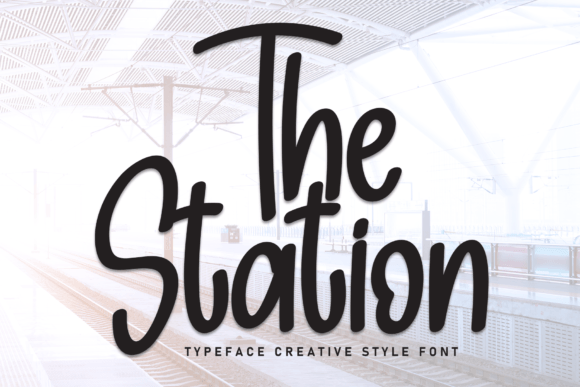
The primary appeal of The Station Font lies in its visual personality. Unlike rigid sans-serifs or formal serifs, this font mimics the fluidity of natural handwriting. The strokes are generally smooth and rounded, avoiding sharp angles that might convey aggression or strict formality. This design choice makes the font feel accessible and gentle. It is not intended to be a neutral workhorse; rather, it is a display font meant to draw attention to headers, titles, and short bursts of text where emotional resonance is more important than raw information density.
The "sweet and friendly" description is accurate. The letterforms often feature slight variations that mimic the imperfections of pen on paper, giving digital text an organic feel. This makes it an excellent candidate for projects where you want to bridge the gap between digital precision and human warmth.
Ideal Applications and Use Cases
To determine if The Station Font is a good fit, you must consider the context of your project. Because it is a display font, it performs best in specific scenarios rather than as a general-purpose typeface.
Wedding Stationery and Invitations
One of the strongest use cases for this font is in the wedding industry. The soft, romantic vibe of the lettering is well-suited for save-the-dates, invitations, and thank you cards. It pairs well with floral illustrations and soft color palettes. If your goal is to create a cohesive suite of stationery that feels personal and intimate, this font is a strong contender.
Branding and Packaging
For small businesses, particularly those in the lifestyle, bakery, or boutique sectors, branding is about personality. The Station Font can help a brand appear approachable and artisanal. It works well on packaging for handmade goods, labels for organic products, or logos for cafes. It tells the customer that the product was made with care, rather than mass-produced by a machine.
Digital Content and Social Media
In the fast-paced world of social media, grabbing attention is key. The Station Font is effective for Instagram graphics, Pinterest pins, and blog headers. Its playful nature can make quotes, announcements, or sale notices stand out in a crowded feed. However, it should be used sparingly—usually for the headline only—to ensure the message remains readable.
Evaluating the Benefits
When selecting a font, understanding the advantages helps in weighing the investment. The Station Font offers several distinct benefits:
- Emotional Connection: Handwritten fonts evoke a sense of nostalgia and sincerity. Using The Station Font can make a design feel less corporate and more personal, which helps in building trust with an audience that values authenticity.
- Versatility in "Fun" Contexts: While it is not suitable for business contracts, it is versatile across various "fun" contexts. From children’s party invitations to playful website banners, it adapts well to lighthearted themes.
- Aesthetic Cohesion: If you are aiming for a specific "cute" or "boho" aesthetic, having a font that is pre-designed to fit this mold saves time. You do not need to manipulate the letters extensively to get the desired vibe; the personality is built-in.
Tradeoffs and Considerations
No typeface is perfect for every situation. To make an informed decision, you must also look at the tradeoffs associated with The Station Font.
Legibility vs. Style
The most common issue with handwritten display fonts is legibility. While The Station Font is designed to be friendly, the very nature of cursive or script styles means that some letters may blend together, particularly at smaller sizes. It is not recommended for body text or long paragraphs. If your project requires reading large blocks of information, this font will frustrate your readers. It is strictly a headline or accent font.
Professional Contexts
While the font is perfect for a bakery, it may not be appropriate for a law firm, a financial advisor, or a corporate tech startup. The casual nature of the font could undermine the seriousness or authority required in those fields. You must evaluate the industry norms of your target audience.
Character Support
When evaluating fonts like The Station, always check the character map. Does it support multiple languages? Does it include special symbols or ligatures that you might need? If your project requires specific technical symbols or extensive multilingual support, you may need to verify that the font includes these or if you will need to use a secondary font that might clash visually.
Comparing with Alternatives
The market for handwritten fonts is saturated. When deciding on The Station Font, it is helpful to compare it against alternatives.
- Strictly Script Fonts: Some handwritten fonts are more formal and look like cursive calligraphy. These might be better for high-end luxury branding. The Station Font is generally more "casual" and "cute" than "elegant" and "luxurious."
- Brush Fonts: Other fonts use a brush stroke effect, which can feel more artistic and edgy. If you want a rough, textured look, a brush font might be a better choice than the smooth lines of The Station Font.
- Print-Style Handwriting: If you want the handwritten feel but need higher legibility, look for fonts that mimic printed handwriting rather than cursive. These often maintain the personality while being easier to read on screens.
Practical Decision-Making Insights
To decide if The Station Font aligns with your goals, ask yourself the following questions:
- What is the primary emotion of my project? If the answer is "joyful," "whimsical," "sweet," or "intimate," this font is a strong match. If the answer is "serious," "urgent," or "technical," look elsewhere.
- Where will the text be viewed? If it is on a large poster or a high-resolution screen, the details of the font will shine. If it is on a low-resolution mobile screen or a small printed label, test the font at that size to ensure it doesn't become a blurry mess.
- How will I pair it? A display font rarely works alone. You will likely need a clean, neutral sans-serif font (like Open Sans, Lato, or Montserrat) for your body text. Ensure that the personality of The Station Font does not clash with your chosen body font.
Conclusion
The Station Font is a valuable tool for designers aiming to create projects with a sweet, fun, and friendly atmosphere. It excels in wedding invitations, boutique branding, and social media graphics where a personal touch is desired. However, it requires careful implementation. It should not be used for body text, and it must be matched with a professional context that appreciates its playful nature. By weighing these benefits against the tradeoffs of legibility and context, you can make a confident decision about whether The Station Font is the right choice to bring your creative vision to life.