Rosalie Font: A Detailed Look at This Modern Calligraphic Script
In the crowded world of digital typography, finding a script font that balances elegance with contemporary appeal can be a challenge. Many options lean heavily into historical calligraphy, sometimes feeling stiff or overly formal, while others pursue a casual, handwritten aesthetic that may lack the sophistication required for certain projects. The Rosalie Font positions itself as a bridge between these two worlds, offering a design that is both refined and relevant. This article explores its characteristics, practical applications, and how it fits into the broader landscape of script typefaces.
Understanding the Design Philosophy of Rosalie
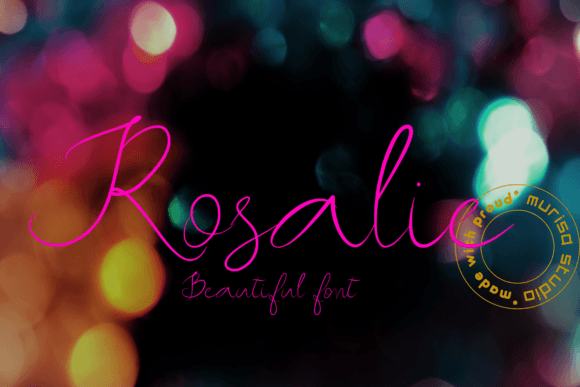
At its core, the Rosalie Font is a handwritten script that draws direct inspiration from classic calligraphic forms. This is evident in its flowing letterforms, consistent stroke weight, and thoughtful connections between characters. However, what sets it apart is its contemporary execution. The design avoids the exaggerated swashes and rigid baselines that can date some traditional scripts, instead opting for a more natural, fluid rhythm. This makes it feel less like a historical replica and more like a living, usable typeface designed for today's digital and print environments.
The font's distinctiveness lies in this careful curation. It maintains the elegance and legibility of calligraphy while stripping away some of its more ornate, sometimes distracting, elements. The result is a typeface that feels both personal and professional. It doesn't scream for attention with overly decorative traits; rather, it communicates with a confident, stylish subtlety. For designers, this means it can serve as a reliable workhorse for projects that require a touch of sophistication without sacrificing modern clarity.
Key Strengths and Practical Applications
Evaluating any font requires looking beyond its aesthetic appeal to its practical strengths. The Rosalie Font excels in several key areas, making it a strong candidate for a variety of design contexts.
- Readability at Scale: One of the most critical factors for a script font is legibility, especially at smaller sizes or in longer passages. Rosalie's clear letterforms and adequate spacing make it more readable than many tightly connected or highly stylized alternatives. This makes it a viable option not just for headlines, but for shorter body text, quotes, or subheadings where a script feel is desired.
- Versatile Tone: The font's balanced design allows it to adapt to different project tones. It can feel romantic and heartfelt for wedding stationery, yet also clean and stylish for cosmetic branding, fashion editorials, or boutique product packaging. It avoids leaning too far into a "vintage" or "rustic" niche, granting it broader applicability.
- Digital and Print Performance: High-quality fonts are designed with both screen and print rendering in mind. Rosalie's clean vector paths and consistent weight ensure it reproduces well across resolutions, from high-DPI screens to professional print jobs. This reliability is a crucial, though often overlooked, strength.
These strengths make it particularly well-suited for specific use cases. For instance, in logo design, Rosalie can lend an artisanal or bespoke quality. On social media graphics, it adds a personal touch that feels authentic. For editorial layouts, it can be used to create elegant pull quotes or chapter titles that stand out from standard sans-serif or serif body text.
Navigating Tradeoffs and Limitations
No typeface is perfect for every scenario, and understanding its limitations is as important as knowing its strengths. While the Rosalie Font is versatile, there are situations where another choice might be more effective.
A primary consideration is its formal vs. casual balance. Because Rosalie leans toward a refined calligraphic style, it may feel too polished for projects aiming for a raw, grungy, or extremely informal aesthetic. A more loosely sketched or imperfect script would better suit those needs. Similarly, for ultra-modern, minimalist branding that prioritizes geometric precision, even a sophisticated script like Rosalie might introduce an element of traditionalism that conflicts with the desired vibe.
Another factor is contextual pairing. A script font rarely works in isolation. Its effectiveness is heavily influenced by the typefaces it is paired with. Rosalie pairs best with clean, neutral sans-serifs (like Helvetica, Futura, or Open Sans) or elegant serifs (like Garamond or Baskerville). Pairing it with another ornate or highly stylized font can create visual clutter and undermine its refined character. The designer's skill in creating harmonious type hierarchies is therefore essential to unlocking its full potential.
Finally, licensing and technical details are practical decision factors. Before committing, one must verify the font's license aligns with the project scope (e.g., desktop, web, app, or commercial use). Checking for OpenType features like alternate characters, ligatures, or stylistic sets can also be important, as these provide creative flexibility to customize the text and avoid repetitive letter shapes.
Rosalie in the Context of Script Font Categories
To make an informed choice, it helps to understand where Rosalie sits within the broader category of script fonts. Scripts can be broadly grouped into formal, casual, and modern handwritten styles.
Formal Scripts are based on historical calligraphy (like Spencerian or Copperplate). They are characterized by extreme contrast between thick and thin strokes, dramatic flourishes, and a very structured baseline. They convey utmost elegance and tradition but can be less legible and feel overly ceremonial for many contemporary uses.
Casual Scripts mimic everyday handwriting. They are often bouncy, uneven, and highly personal, conveying approachability and spontaneity. However, they can sometimes lack the polish needed for professional branding or luxury markets.
Modern Handwritten Scripts, like the Rosalie Font, occupy a middle ground. They retain the fluidity and personal touch of handwriting but are refined with consistent proportions, thoughtful spacing, and a cleaner overall aesthetic. They are designed to feel current, relatable, and stylish, without the rigidity of formal scripts or the potential sloppiness of casual ones. This category has become increasingly popular for brands seeking to connect with audiences on a personal level while maintaining a professional image.
When researching alternatives, you will encounter countless options in each category. The key is to match the font's inherent character to your project's message. If your goal is timeless, high-formality luxury, a formal script might be preferable. If you want a fun, youthful vibe, a casual script could work better. But if you need that blend of contemporary elegance and personal warmth, the modern handwritten category, exemplified by Rosalie, is the space to explore.
Making Your Decision: Is Rosalie the Right Choice?
Ultimately, choosing a font is a subjective decision guided by specific project requirements. The Rosalie Font is likely an excellent choice if your project calls for:
- A personal yet professional tone. It avoids looking cheap or overly generic, adding a layer of curated style.
- A primary display font for logos, titles, or headlines that needs to be distinctive yet readable.
- A complementary script for accents, quotes, or short text elements within a larger layout dominated by a sans-serif or serif font.
- A design that targets audiences in lifestyle, beauty, wedding, artisan food, or boutique retail spaces, where an elegant, handwritten feel is valued.
You may need to consider other options if your project demands extreme formality, a very casual or edgy aesthetic, or if you require a script with extensive, highly decorative alternates for dramatic effect. Always test the font with your actual content—see how it renders your specific words, check its spacing in paragraphs, and evaluate its overall impact within your design mockups.
In conclusion, the Rosalie Font represents a thoughtful evolution of the handwritten script. It masterfully balances calligraphic roots with a fresh, contemporary sensibility. By understanding its design strengths, practical applications, and inherent tradeoffs, you can make a more informed decision about whether it is the right tool to elevate your next creative project. Its value lies not in being the only option, but in being a distinctly refined and versatile one within a very crowded field.